All i can say is god dam!!!!!.....jesus christ!!!!!........son of a hooker !!!!!.......i mean this is how you fucking roll!!!!! ......you got to love Mohammad bin salman ....... the guy has taste ....... very..... very ......and i mean ..... very ...... expensive taste ....... and when he wants something !!!! ....he gets it....... and can afford it ...it is probably like a hundred bucks to him ........ he is one rich fucker !!!!!!! ......and he beat old bill....... to the gates...... (get it)!!!!!!.....no then you should leave !!!!......(don't let the door hit you on the vagina on the way out !!!!!....).......to but the yacht ........$550 m nice one
Saudi crown prince Mohammed bin Salman beat Bill Gates in battle for a superyacht by wiring $550M in one go and securing it in just two days
Saudi Crown Prince Mohammed bin Salman once reportedly beat Bill Gates in the race to own one of the world’s most luxurious superyachts.
The enormous vessel, called Serene, had apparently left a lasting impression on the Microsoft co-founder after he chartered it for a family vacation.
But before Gates could make it his own, the Saudi royal stepped in with a jaw-dropping offer that was impossible to refuse.
The deal was reportedly completed in less than 48 hours, instantly ending Gates’ hopes of buying the floating palace.
Millionaire showdown when Saudi Crown Prince Mohammed bin Salman beat Bill Gates
Back in the summer of 2014, Bill Gates and his family chartered Serene, a gorgeous superyacht while vacationing in the South of France.
The yacht, which was owned by Russian businessman Yuri Shefler, reportedly cost around $5 million a week to rent.
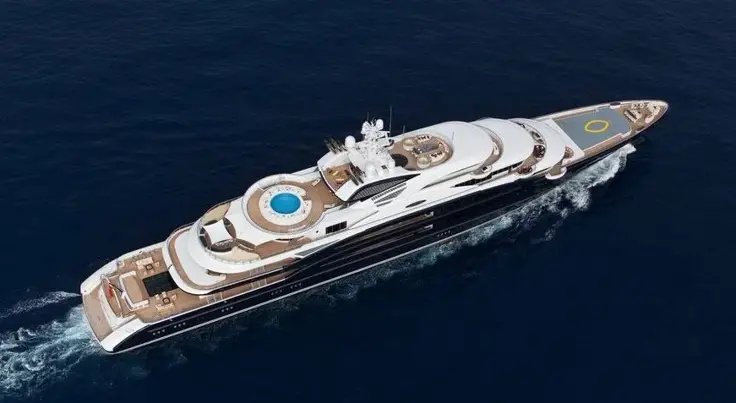
During the trip, Gates reportedly flew by helicopter each morning to Sardinia to play tennis before returning to enjoy everything the yacht had to offer, from watersports to relaxing on deck.
The experience left such an impression that Gates began exploring the possibility of buying the yacht outright.
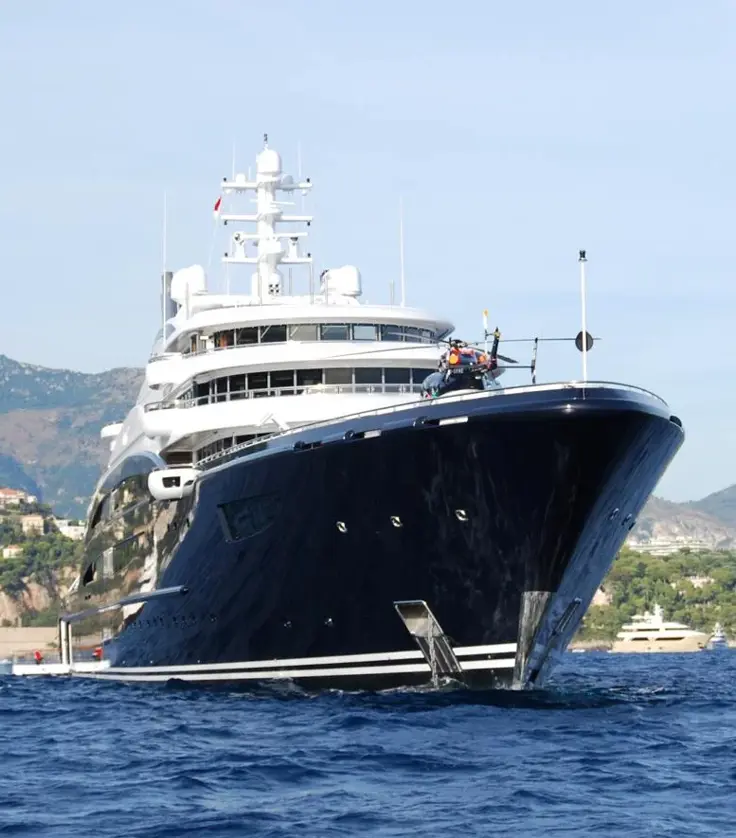
However, before any purchase could be completed, Mohammed bin Salman spotted Serene while holidaying in the same area in 2015.
According to reports, the Saudi Crown Prince immediately decided he wanted the yacht, regardless of whether it was officially on the market.
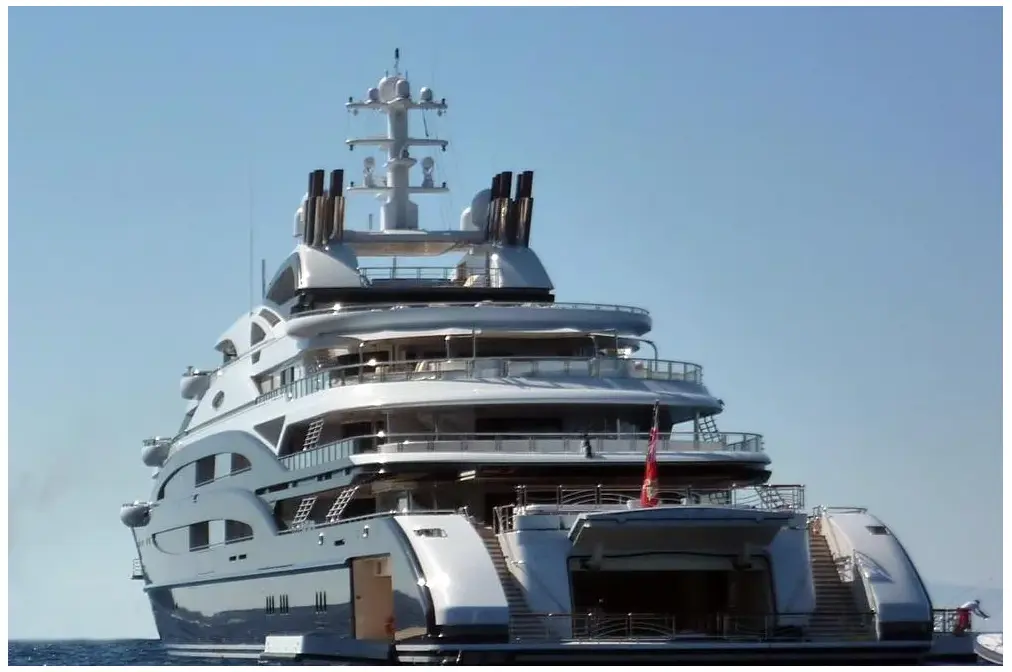
An aide reportedly approached the owner with a straightforward proposal: $550 million, wired immediately.
The transaction was said to have been completed within 24 to 48 hours, with Shefler leaving the yacht soon afterward.
The speed of the deal quickly became part of superyacht folklore because rather than entering lengthy negotiations, the Saudi Crown Prince’s team reportedly made a single offer that left little room for discussion.
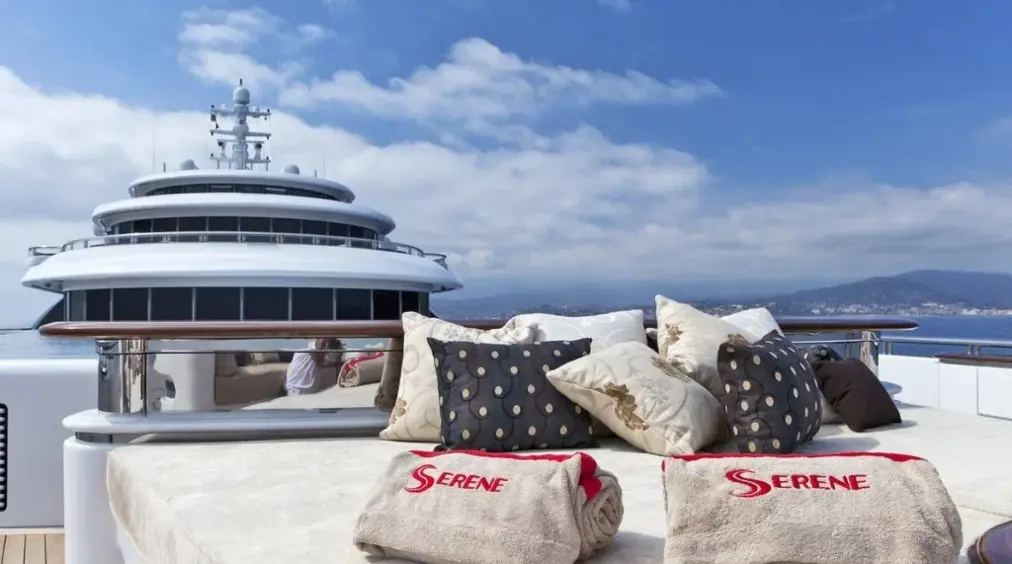
The immediate wire transfer and rapid completion meant there was no opportunity for rival buyers, including Gates, to make a competing bid before ownership changed hands.
That decisive move secured Serene for the Saudi royal and ended Gates’ pursuit before it had the chance to become reality.
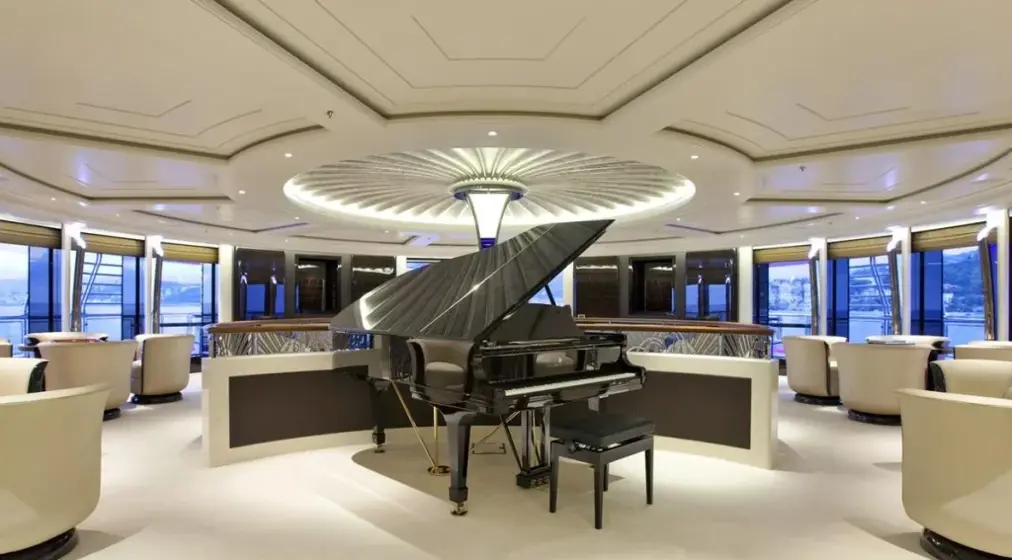
There is no doubt why there was a battle for the superyacht
Built by Italian shipyard Fincantieri and delivered in 2011, Serene was one of the largest private yachts in the world when it launched.
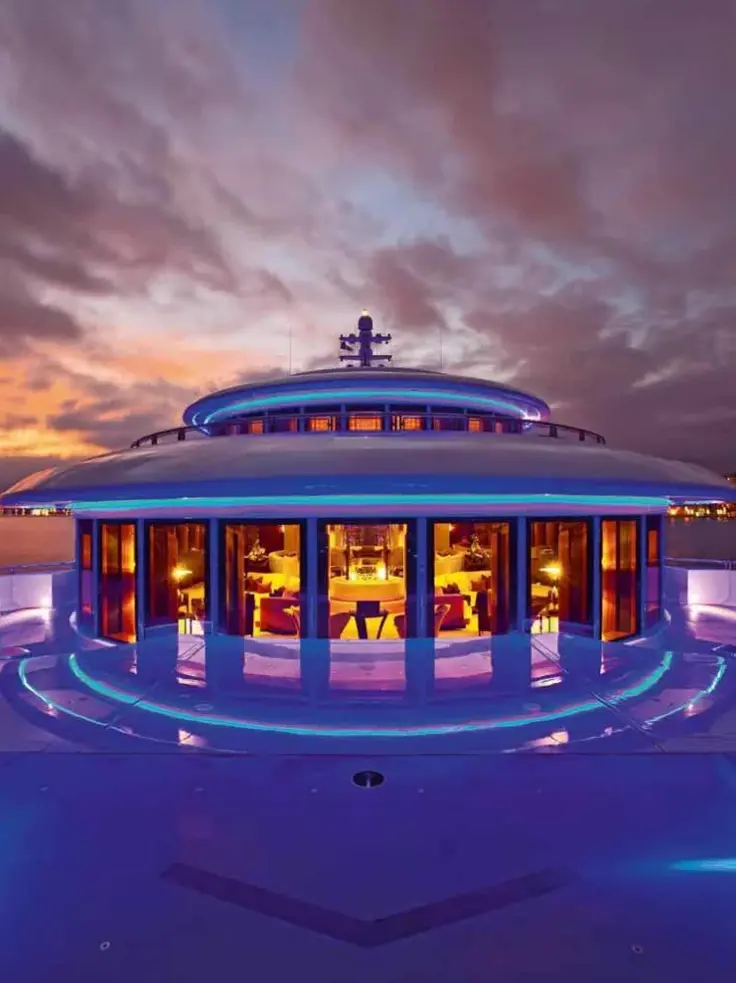
The 439-foot vessel can accommodate up to 24 guests alongside a crew of 52 and features two helipads, multiple swimming pools, a spa, a submarine, a climbing wall, a cinema, and lavish entertainment spaces.
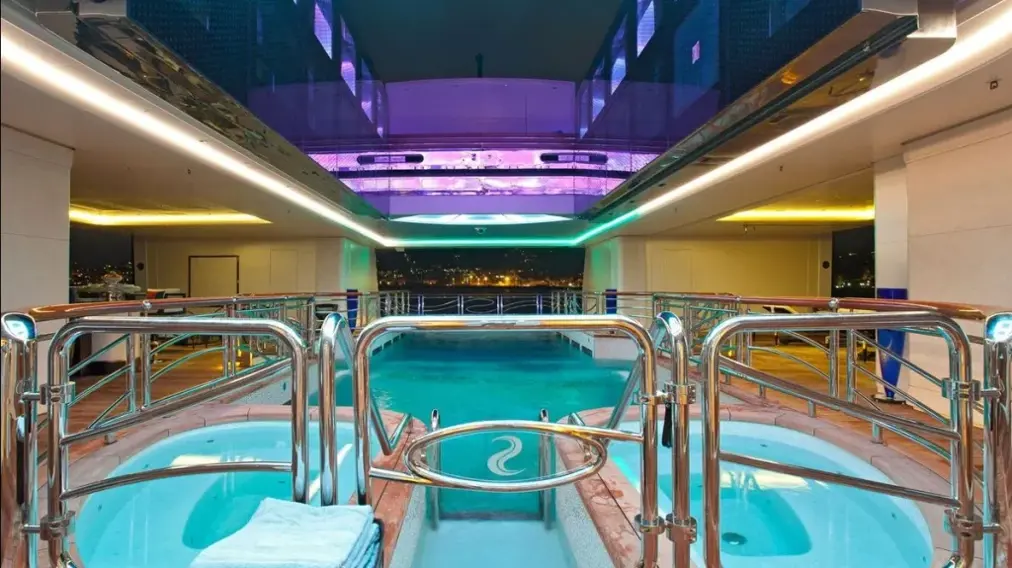
The yacht also boasts an onboard snow room, a fully equipped gym, a beauty salon, and expansive outdoor decks designed for entertaining guests in complete luxury.
Its combination of size, technology, and extravagant amenities helped establish it as one of the most desirable superyachts ever built.
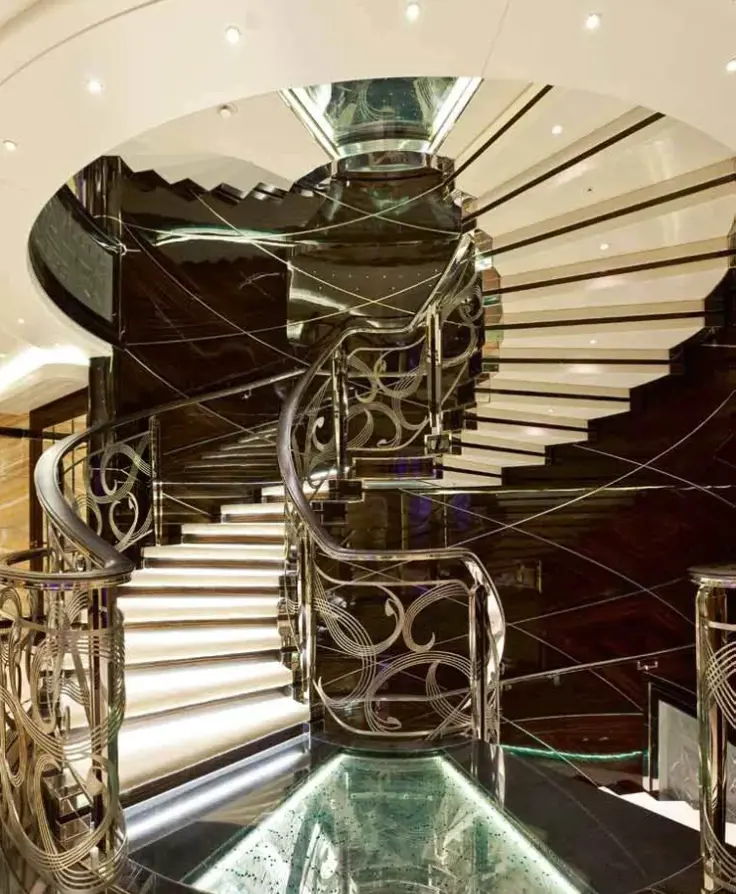
Although even larger yachts have since been built, Serene remains one of the most recognizable superyachts ever constructed thanks to its extraordinary design and famous owners.
The yacht has reportedly remained part of the Saudi royal fleet ever since and has even been linked to housing Leonardo da Vinci’s Salvator Mundi after the painting’s record-breaking sale.
As for Gates, he never ended up owning Serene.
Years later, he was linked to the $645 million hydrogen-powered superyacht Breakthrough, showing his interest in luxury yachts never completely disappeared, even if Serene slipped through his fingers in the billionaire battle.